Volume Analysis | Flash Update – 9.14.26

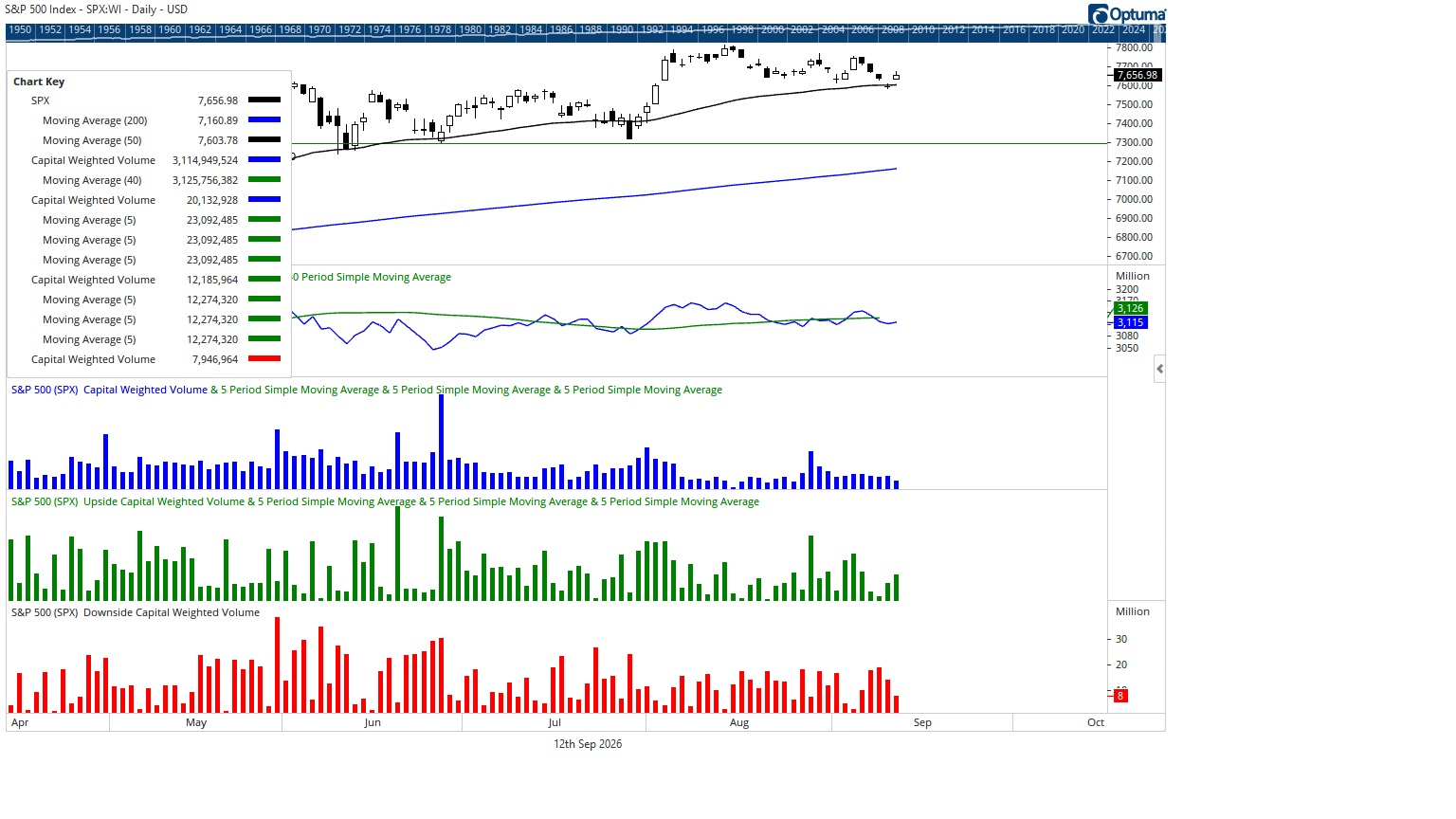
The market entered the shortened Labor Day week with its ranks already stretched near elevated ground. Most days traded on average volume, but the character of that volume leaned defensive. Tuesday registered 77% downside Capital Weighted Volume, Wednesday followed with 85% downside volume, and Thursday remained tilted lower with 61% downside volume. Friday finally delivered a small counterattack, with 60% of volume to the upside, but on the week’s lightest volume.
For the week, 67% of S&P 500 Capital Weighted Volume traded to the downside. Downside volume was slightly above average, while total volume was light due to the shortened week. Capital flows looked similar, though less severe, with 55% of S&P 500 Capital Weighted Dollar Volume registering as outflows. In military terms, the bears fired more rounds, but they did not bring the heavy artillery to break the full campaign.
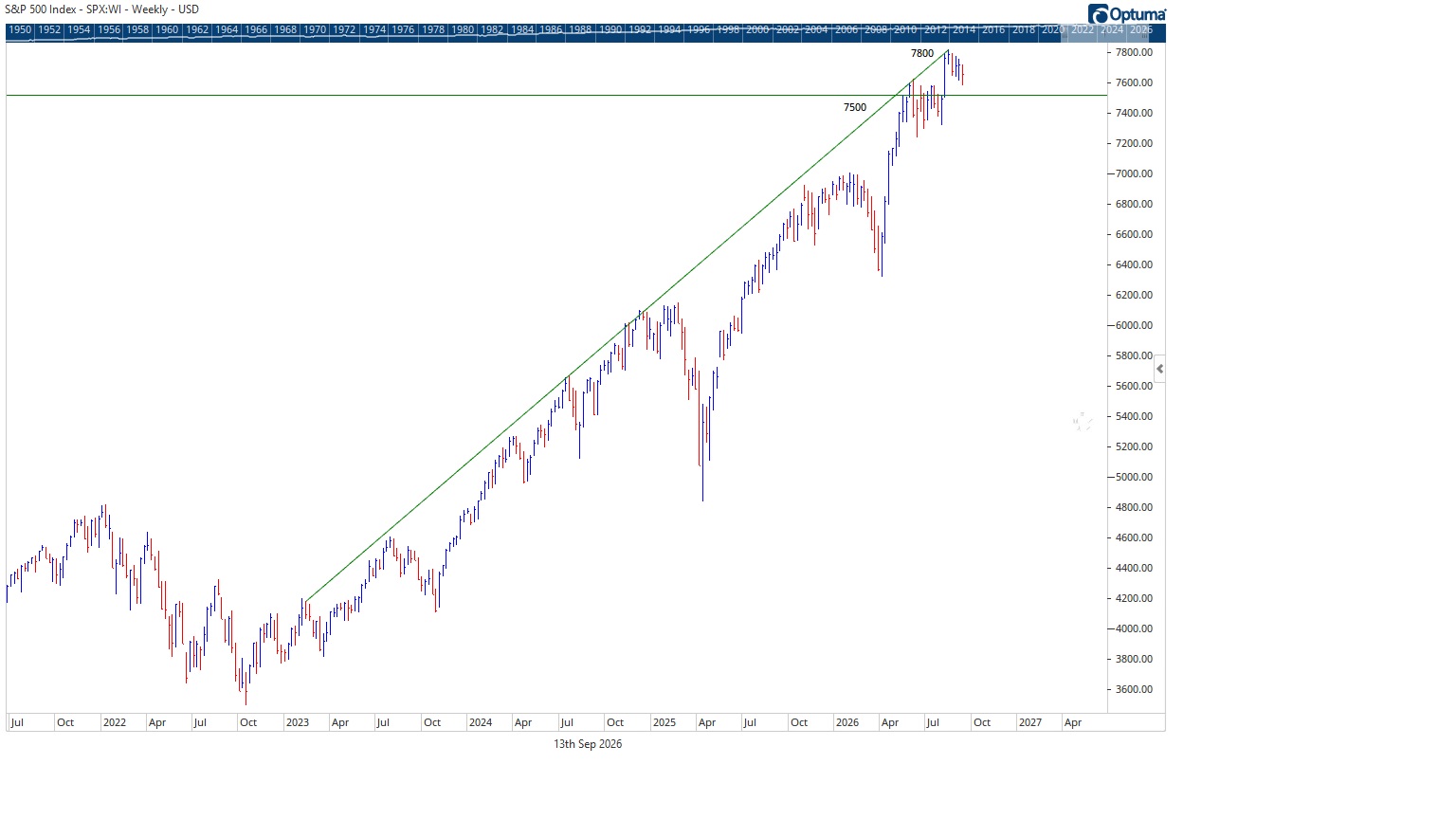
The S&P 500 broke minor 7600 support intraweek, then rallied back above it. That was important. The 7600 area aligns with nearby support discussed in Jeff Weiss’ work, which highlighted the S&P 500 upside gap range around 7610 to 7630 and noted potential minor support just above 7600. The next major support zone now sits near 7500, while resistance remains near 7800. The larger issue is that on August 14th, the S&P 500 tested the long-standing trendline resistance extending from early 2023 and has since backed off.
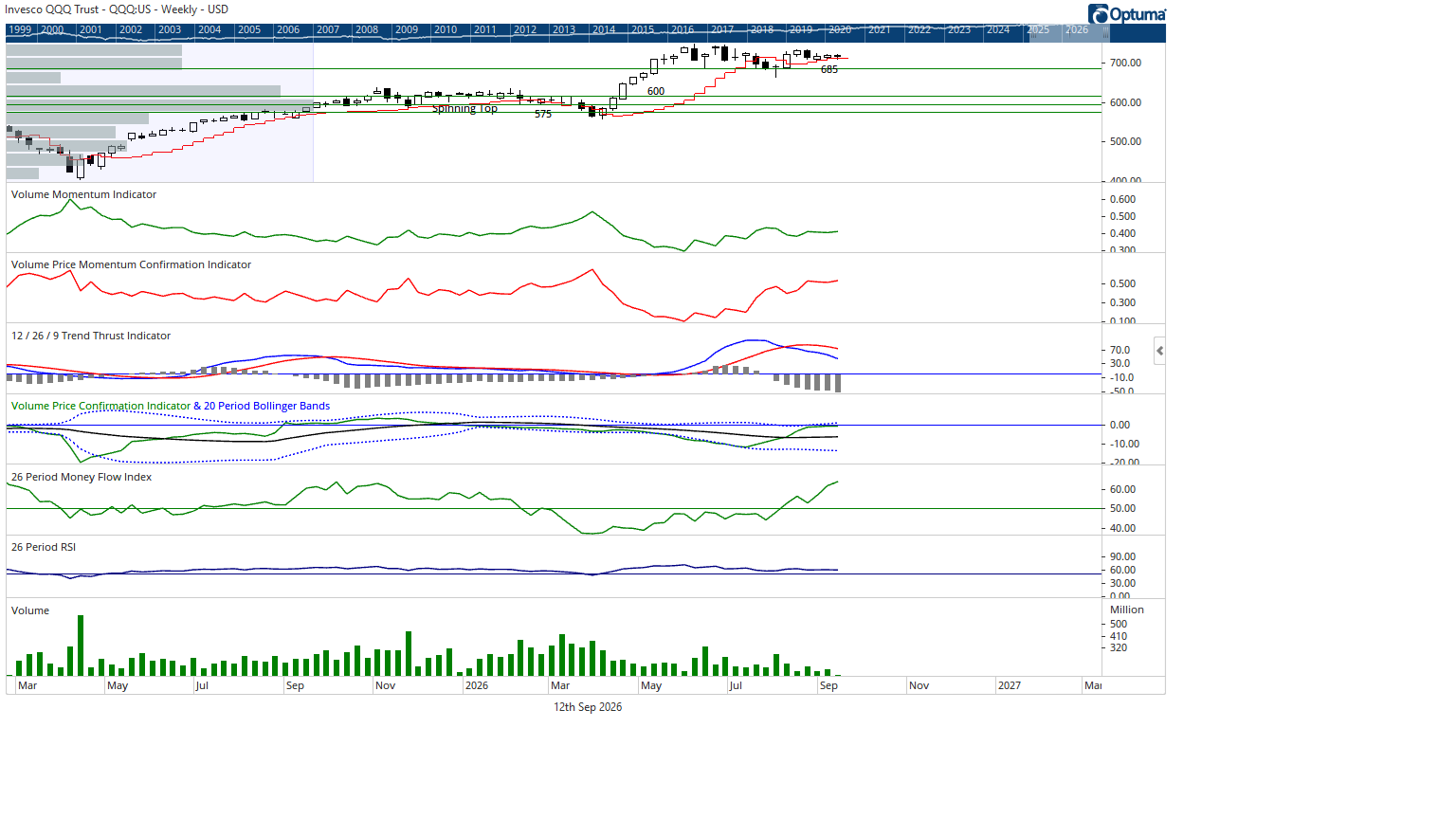
That framing fits this week well. Price has not broken down, but it has not broken through either. The generals, represented by the Invesco QQQ Trust Series 1, held the line best among the command units, declining only -0.57%. The generals traded essentially inside last week’s range and continue to defend major support near 685. That support remains critical to the campaign. In our Second Half Outlook, 685 was identified as an important short-term level for the generals, with intermediate support near 655 and major support in the 600 to 575 zone. For now, the generals are not advancing with force, but they are still holding the ridge.
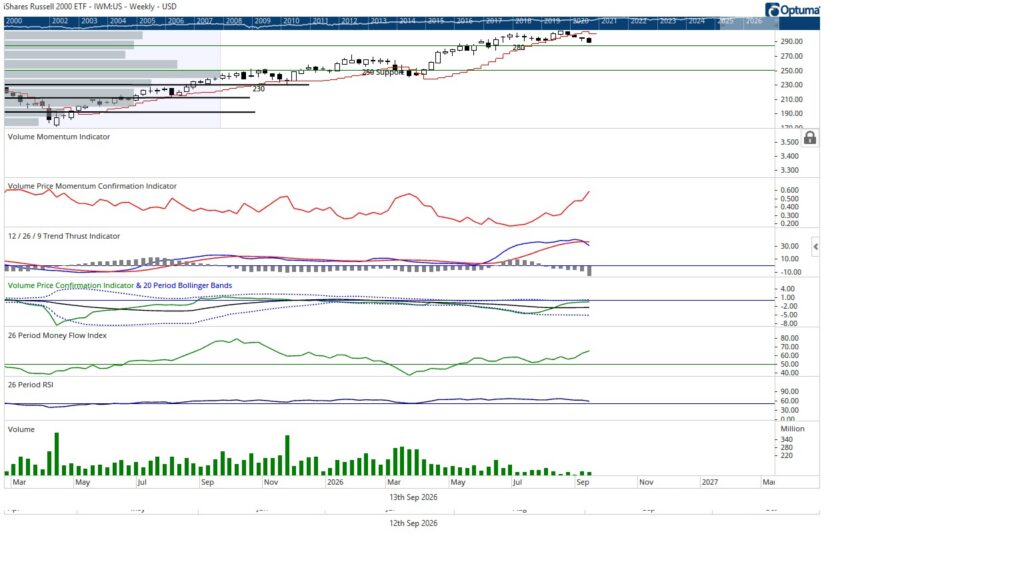
The troops, represented by the iShares Russell 2000 ETF, led the retreat, falling -2.40%. The troops broke beneath the August 7th wide breakout bar and fell through 292 short-term support. They must now hold intermediate support near 280 to keep the short-term advance from turning into a deeper retreat. The decline occurred on light volume, suggesting consolidation rather than a liquidation event, but these lines remain critical to defend.
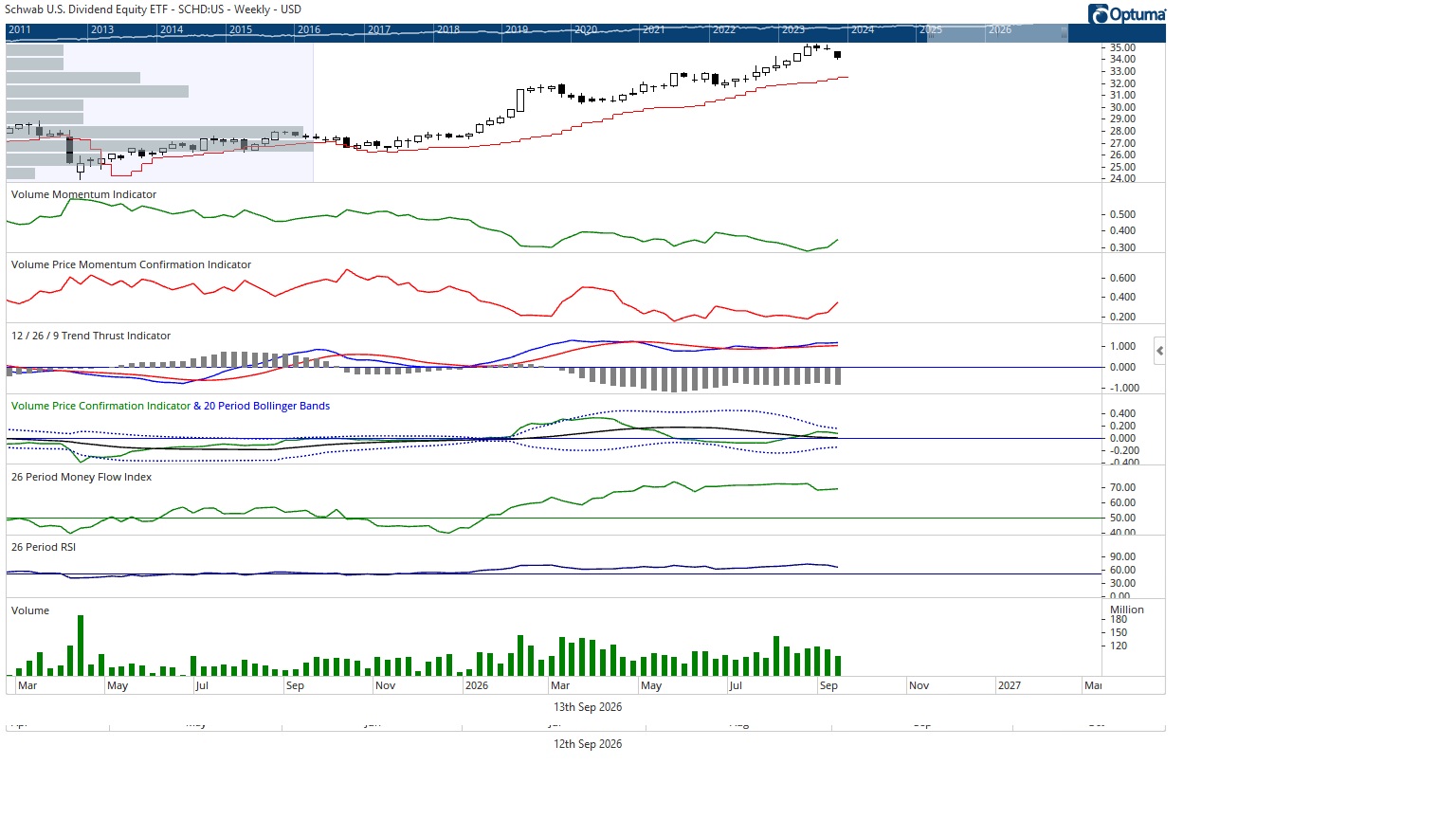
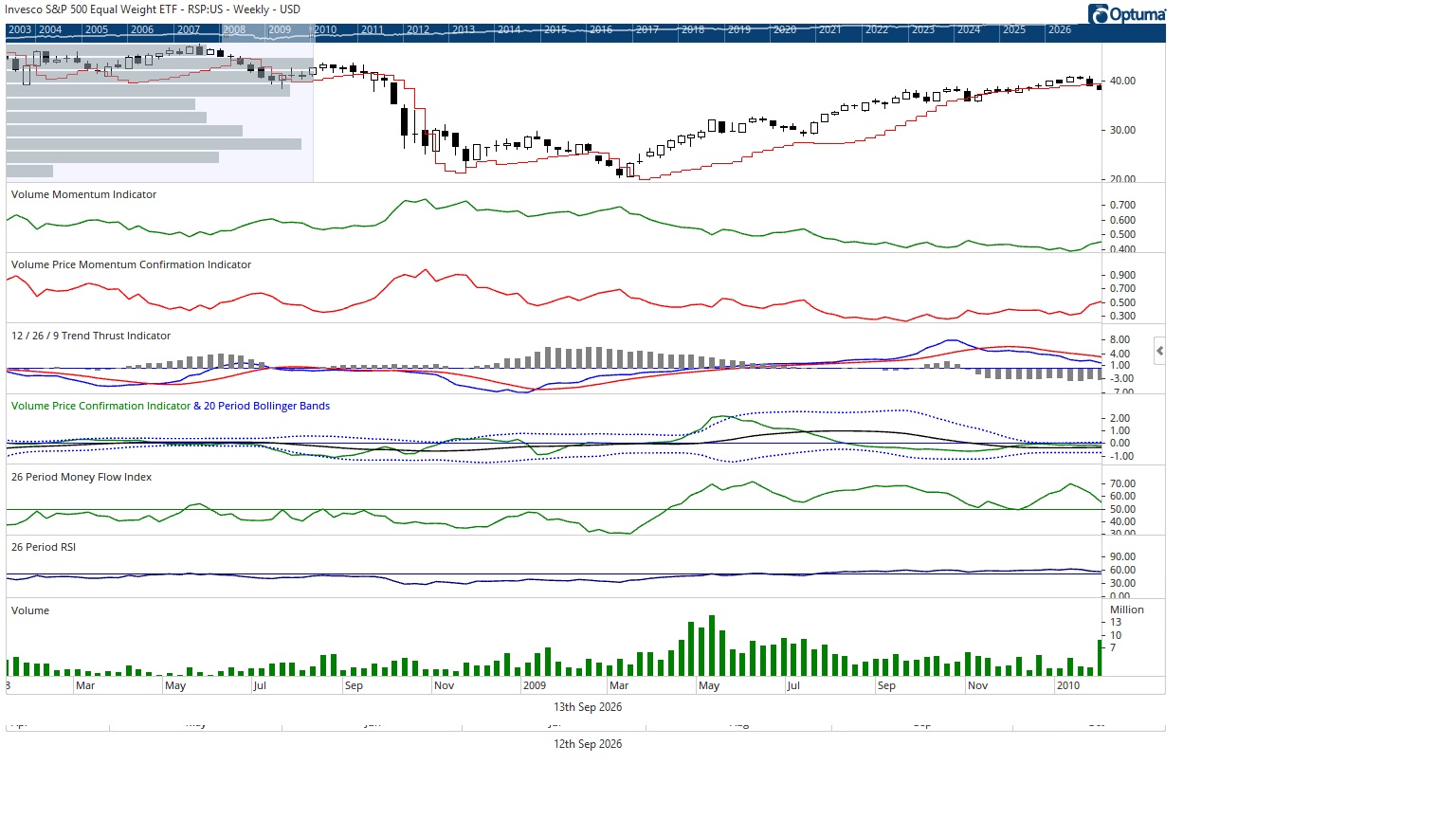
The lieutenants, represented by the Invesco S&P 500 Equal Weight ETF, declined -1.89% and also broke the August 7th upside gap intraweek, closing near but slightly below support. The dividend brass commanders, represented by the Schwab U.S. Dividend Equity ETF, declined -1.95% and failed to maintain the 34.24 short-term support level. Yet the brass remain significantly elevated above their intermediate-term trend, and their broader price structure remains constructive.
This was a broadening stress test. The generals held firm, but the troops, lieutenants, and brass commanders all gave ground. In the spirit of And Then There Were None, this was not the army disappearing. It was a rotation check under pressure. The broader regiments are testing their support lines just as the market moves into one of the more vulnerable seasonal windows.
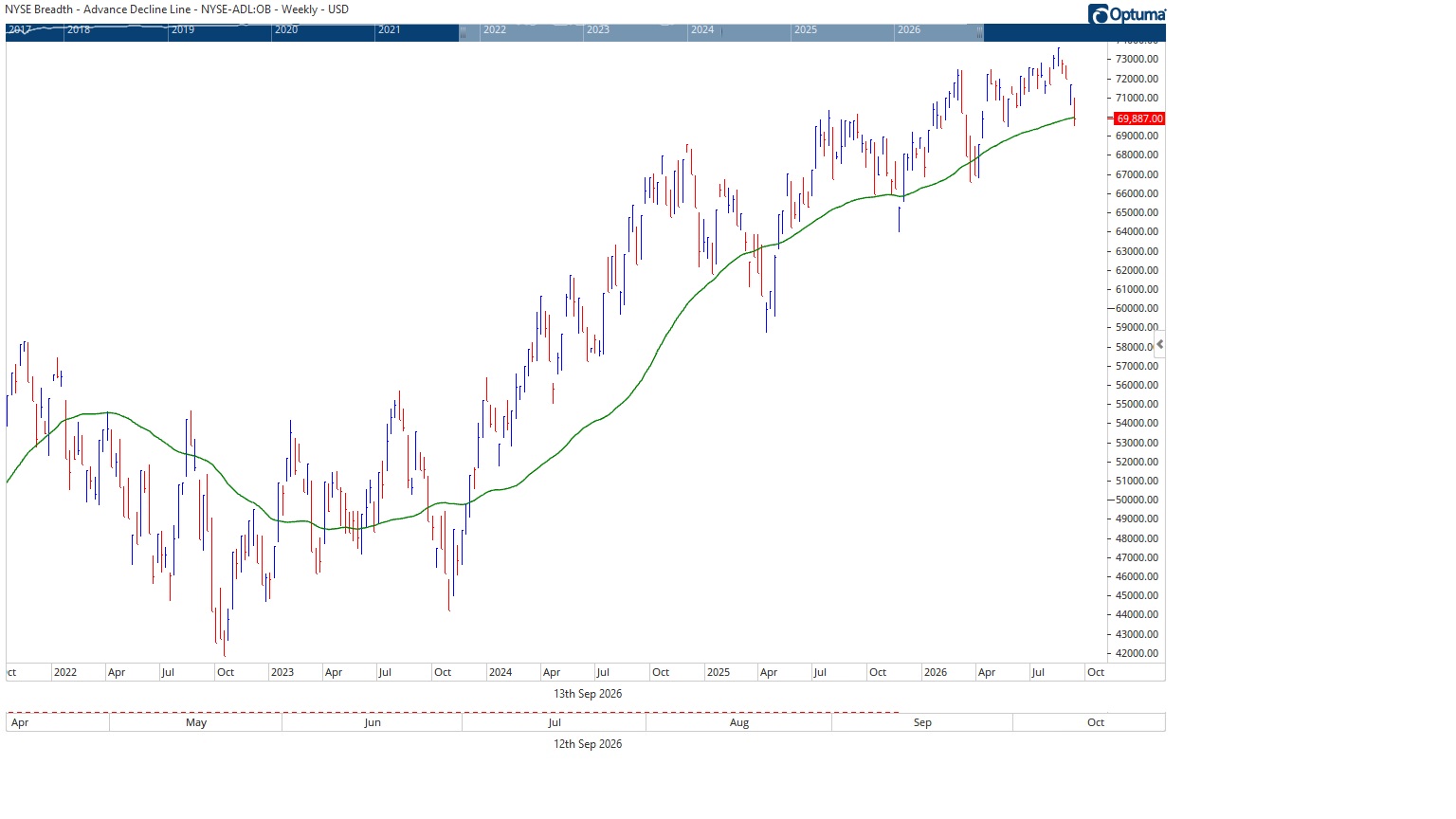
The NYSE Advance Decline Line took a bearish beating this week, retreating all the way back to its intermediate-term trend line. Market breadth is now an important area to monitor. If the troops are going to resume their march north in a unified formation, breadth likely needs to hold this trench. In the Second Half Outlook, broadening was described as one of the most constructive developments, with more stocks participating and the market evolving from And Then There Were None toward And Then There Were Some. This week did not destroy that thesis, but it did test it.
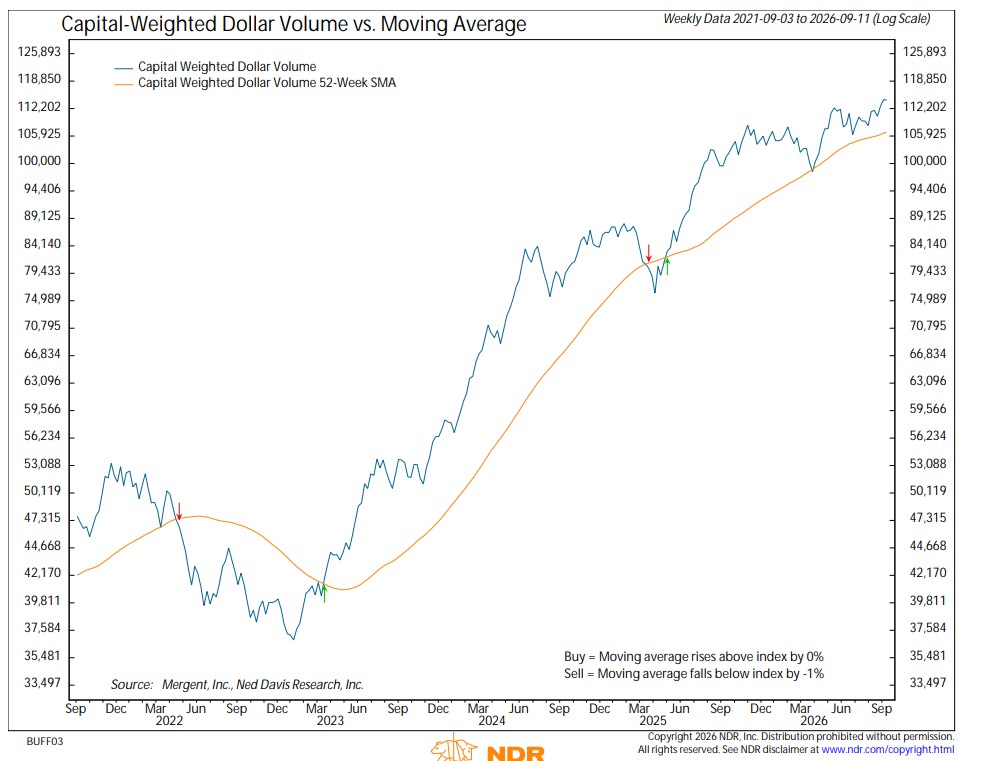
The most constructive internal development is that the accumulated trends of both Capital Weighted Volume and Capital Weighted Dollar Volume barely paused their upward advance from last week. This may suggest institutions have not yet bought into the broader bearish narrative. That distinction matters. Our Outlook emphasized that price has improved faster than sponsorship, and that volume remains the fuel needed to sustain altitude. This week’s price action was weak, but institutional sponsorship did not collapse.
That is why the field report remains mixed rather than bearish. The price units retreated. Breadth fell to trend support. But the capital flow trends did not reverse decisively. The bulls lost ground in the open field, but the supply lines have not yet been overrun.
This aligns with the VFGU posture. The Q3 VFGU framework remains focused on broader leadership, improving market breadth, dividend growth, international participation, quality companies, and diversified factor exposure. The portfolio posture was summarized as fully invested, diversified leadership, and managed risk objectively. This week supports that same message. Participate where the evidence supports it but tighten the watch on risk when the field becomes contested.
The current geopolitical front remains unsettled. Recent reports show that Iran and Oman have agreed on proposed new entry and exit routes for commercial vessels through the Strait of Hormuz, but those reports also note that this does not amount to an immediate reopening of the strait and that broader U.S. related conditions remain unresolved. Separately, reports of an Iranian commercial ship being struck near Qeshm Island underline that maritime risk remains active around the Strait of Hormuz. In military terms, this remains a ceasefire hopeful environment, not a peace secured environment.
That uncertainty continues to feed the oil and sector rotation story. After breaking the midpoint last week, NYMEX crude surged again but found resistance near 110 and retreated to close under 105. Oil remains tactically important. The energy front is still active, but it did not deliver a clean breakout this week.
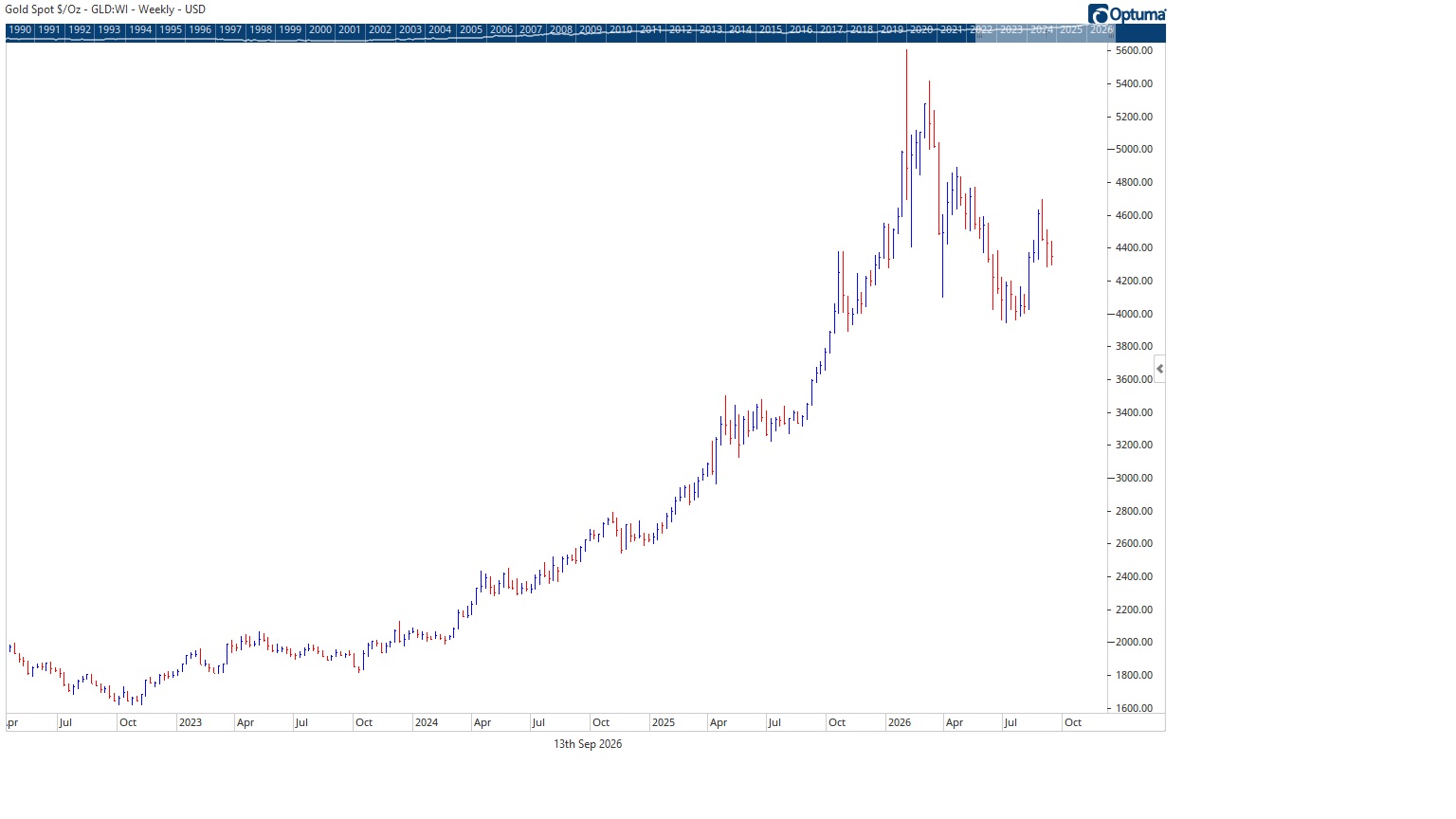
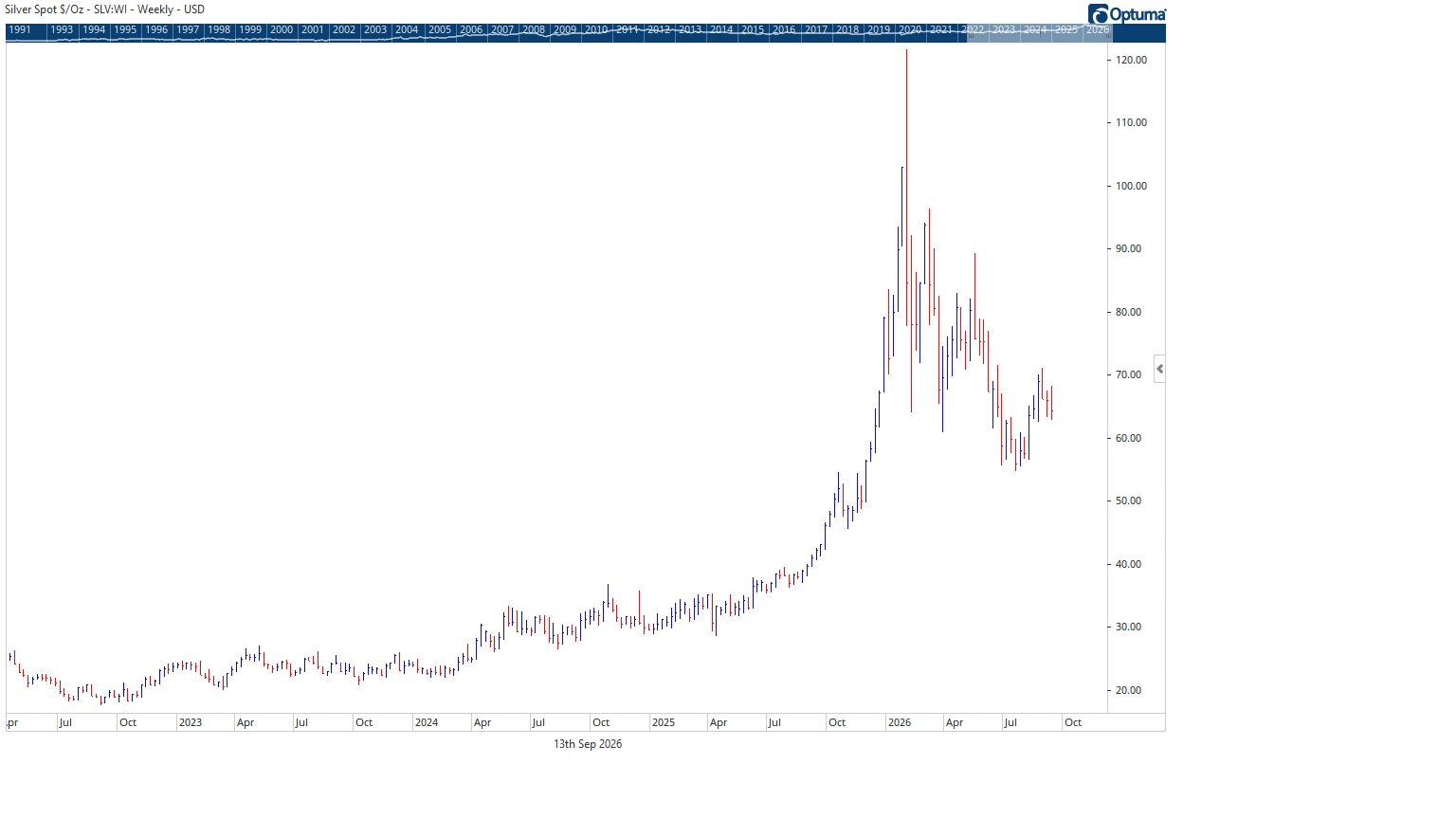
Gold and silver both traded lower on the week but closed inside the lower end of their ranges. Gold completely maintained last week’s range, while silver traded outside both the prior week’s upper and lower boundaries before settling back into the lower portion of its structure. After recent rallies, the commodity scouts paused. Silver remains important not only as a precious metal, but as an industrial metal tied to artificial intelligence infrastructure, grid investment, and broader capital spending.
The macro and market structure backdrop also remains consistent with the recent Outlook. This is not a simple bull or bear tape. It is a market of dispersion, where some portfolios feel like they are in a bull market while others feel like they are in a correction. The better question is not simply whether to be bullish or bearish, but where participation is improving, where volume is confirming, and where price has run ahead of sponsorship.
This week, the answer was mixed. The generals held. The troops faltered. The belly of the market weakened. Breadth retreated to trend. Capital Weighted Volume and Capital Weighted Dollar Volume trends paused but did not break. The S&P 500 reclaimed 7600, but still sits below 7800 resistance and above 7500 support.
Risk Command
Risk management remains the cornerstone of the campaign. The bulls still hold important ground, but the field is more contested. The S&P 500 needs to hold 7600 and especially 7500. A push through 7800 would improve the tactical picture. The Invesco QQQ Trust Series 1 must continue defending 685. The iShares Russell 2000 ETF needs to rehold 280 and regain 292. The Invesco S&P 500 Equal Weight ETF and the Schwab U.S. Dividend Equity ETF need to stabilize if the broadening theme is going to regain momentum.
A disciplined approach means respecting both sides of the evidence. The decline was light enough to suggest consolidation, but downside participation was strong enough to require vigilance. Capital trends did not break, but breadth weakened to a key trench. The generals held, but the troops are under pressure.
For now, this is not a full battlefield collapse. It is a support test during a vulnerable seasonal window. The army is still on the field, but several regiments need to hold their lines. In markets as in war, the mission is not to predict every attack. It is to defend critical ground, follow the flow of capital, and manage risk before it manages you.
Grace and peace,
BUFF DORMEIER, CMT
Updated: 9/14/2026. Historical references do not assume that any prior market behavior will be duplicated. Past performance does not indicate future results. This material has been prepared by Kingsview Wealth Management, LLC. It is not, and should not, be regarded as investment advice or as a recommendation regarding any particular security or course of action. Opinions expressed herein are current opinions as of the date appearing in this material only. All investments entail risks. There is no guarantee that investment strategies will achieve the desired results under all market conditions and each investor should evaluate their ability to invest for the long term. Investment advisory services offered through Kingsview Wealth Management, LLC (“KWM”), an SEC Registered Investment Adviser.