The 3 Most Dangerous Years in Retirement Are Not What You Think
Executive Summary
A retirement plan can prepare you for market cycles, inflation, healthcare costs, and taxes. But the years most likely to shape your future aren’t always the ones you’ve been told to watch. Certain periods create outsized impact—moments when decisions and circumstances collide in ways that can either strengthen or unravel your plan.
Recognizing those “danger zones” before they arrive is one of the smartest financial moves you can make.
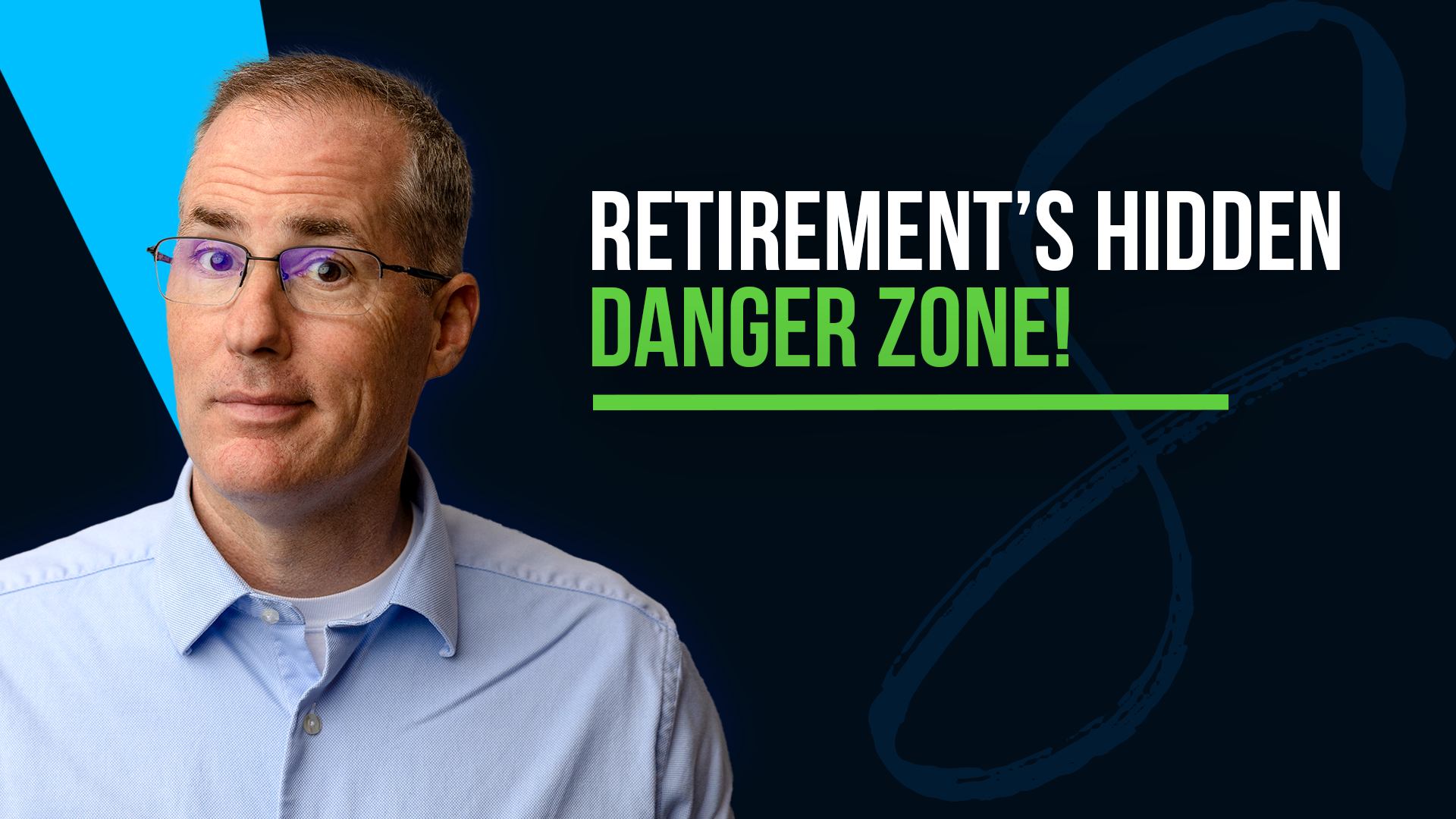
Want to watch an in-depth exploration of this topic?
Check out this video on my YouTube channel, @SavvySteward: The 3 Most Dangerous Years in Retirement Are Not What You Think
Take the free “How Much Do I Need To Retire” Quiz here:
https://secure.kingsview.com/keith-savvy-steward-quiz-youtube#q1
The 3 Most Dangerous Years in Retirement Are Not What You Think
What do you think are the three most dangerous years for retirees? Most people assume it’s the first year of retirement, age 65, or a year with a major market downturn. In my work with retirees, I’ve found the years that create the most risk aren’t the ones people usually expect, and they have one key element in common.
What makes the year you decide to retire so risky?
The first danger year isn’t technically in retirement: it’s the year you DECIDE to retire. At that point, “someday” turns into “soon,” and the decision becomes real. That’s when conflicting advice floods in. Friends, family, articles, even market swings can push you toward one decision or another.
The problem is that indecision or reactive choices can derail years of planning. If the market dips, you delay. If it rallies, you feel pressure to retire early. You end up reacting to noise instead of your actual financial reality.
The solution: Create objective criteria before you reach decision year. Set clear milestones for your finances, benefits, and personal goals. When those boxes are checked, you move forward without being swayed by every new headline or opinion.
Why does the “reality shock year” derail so many retirees?
The second danger zone usually shows up 12 to 18 months after retirement—the point when the honeymoon phase ends. The first year often feels like a vacation. But when the novelty wears off, many retirees find themselves restless, uncertain, or even purposeless.
That discomfort can lead to costly decisions: buying a second home, moving across the country, or overspending on hobbies or business ventures. These changes are often less about financial need and more about filling an emotional gap.
The solution: Plan for your time as intentionally as you plan for your money. Identify meaningful activities, set up routines, and connect with people who keep you engaged. On the financial side, build guardrails like a spending plan, a cooling-off period before big purchases, and regular check-ins with your advisor.
How can a major life event affect retirement?
The third danger year comes with a major life event: something unpredictable and emotionally painful, like a health diagnosis, the loss of a spouse, or a family crisis. The biggest financial danger here is the decisions made in the middle of grief, fear, or stress.
Relocating too quickly, giving away large sums, or overhauling a financial plan in response to a crisis can have long-term consequences.
The solution: Put a crisis protocol in place before you need it. Choose a trusted circle of people—an advisor, an attorney, and one or two family members—to consult before making major decisions. Build in a 30- to 60-day waiting period for big changes. And maintain a cash reserve so you’re not forced into reactive moves.
At the core, these “danger years” all come down to emotional crossroads.
Retirement plans often model taxes, spending, and market risk, but they rarely account for the human reality of decision fatigue, restlessness, or crisis. The key is to have a plan built around your life, not just your money.
Real wealth starts with real life. Don’t just plan the numbers. Plan the life.
Contact Information
Keith Demetriades, CFP®, CKA®, believes real wealth starts with real life. He created the 4D Client Experience to help guide decision-making and ensure your money works as a tool to support your life. If you’re ready for a financial plan that reflects how you live and what you’re building toward, contact Keith at (806) 223-1105 or visit Kingsview Partners.
Disclaimer: The information provided in this blog is for educational purposes only and should not be considered financial advice. Please consult a qualified financial advisor to discuss your specific situation and needs. Past performance does not indicate future results, and all investments carry risks, including potential loss of principal. Any financial product or strategy references are purely illustrative and should not be construed as endorsements or recommendations.