Thinking You’ll Sell Your Business to Retire? Read This First
Executive Summary
Many business owners assume the sale of their company will fund retirement. But in his work with owners, Keith Demetriades has seen how often that expectation creates pressure rather than security. Business sales depend on timing, valuation, buyer readiness, and transferability—factors that rarely line up on demand. Relying solely on a future sale can introduce risk, while building financial security outside the business gives owners more control over timing, options, and outcomes.
See an in-depth exploration of this topic here:
Take the “How Much Do I Need to Retire?” quiz here:
https://securequiz.kingsview.com/keith-real-wealth-quiz-youtube#q1
Want to make sure your money lines up with your life?
FREE Designing the Retirement You Want Guide
Thinking You’ll Sell Your Business to Retire? Read This First
For many business owners, the plan sounds straightforward. You build the business, step back when you’re ready, sell it, and use the proceeds to fund retirement. On paper, it makes sense. A business is an asset.
The challenge is that business sales rarely unfold the way owners expect. When retirement depends on one transaction happening at the right time, with the right buyer, at the right price, the plan carries more risk than most people realize.
1. Can you really rely on selling your business to retire?
It’s common for business owners to assume the sale of the company will fund retirement. But most businesses that go to market never close a deal.
According to the Exit Planning Institute, only about twenty to thirty percent of businesses listed for sale actually sell. That doesn’t mean that businesses aren’t worth selling. It means the process is more complex, slower, and more uncertain than many owners expect.
When a retirement plan depends entirely on a future sale, that uncertainty matters.
2. Why do so many businesses never sell?
In practice, sales tend to stall for a few consistent reasons.
One is timing. Owners decide when they are ready to step back, but buyers, lenders, and due diligence all operate on their own schedules. A buyer may want another year of financials. A lender may need additional documentation.
Reviews take time, and buyers rarely move as quickly as sellers want. If an owner needs the sale to happen in a specific year, buyers can sense that urgency and often step away from the pressure.
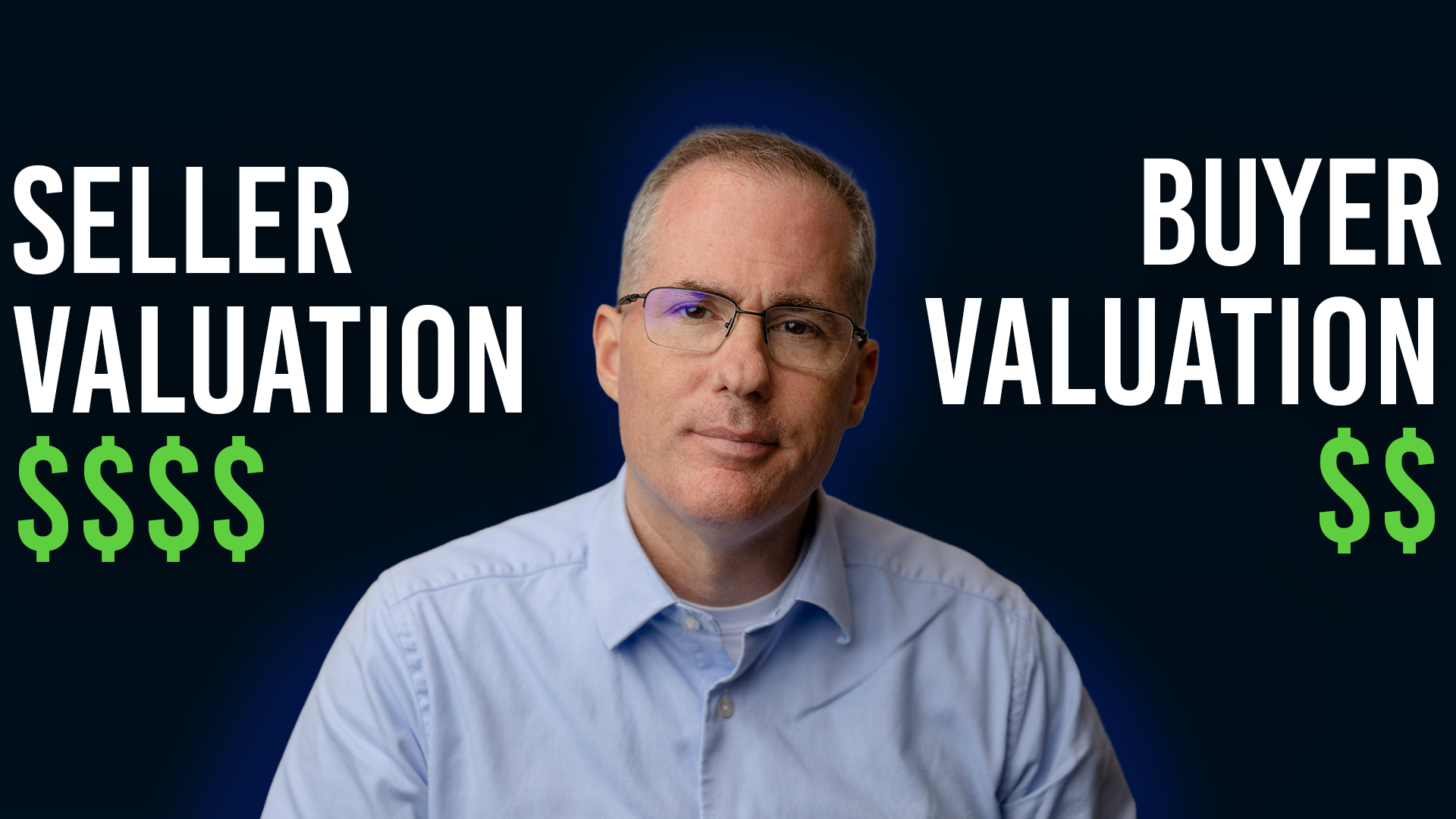
Another issue is valuation. Owners have lived inside the business for years and see its potential. Buyers focus on cash flow, systems, and what happens when the owner steps back. Those perspectives rarely land on the same number. When the gap feels too wide, deals stall.
Documentation also stops many sales. A business can be strong and profitable while still relying heavily on the owner’s personal knowledge. Buyers need to see how the business runs without the owner involved day to day. Research shows that most owners don’t have a written transition plan, which raises concerns during the review process.
3. What makes a business transferable to a buyer?
Buyers look for businesses they can operate confidently from day one.
That starts with clear processes. When responsibilities, workflows, and decision points are written down and easy to follow, a buyer can picture stepping in. But if everything lives in the owner’s head, they may hesitate.
Buyers also pay close attention to how heavily the company relies on the owner. If every key decision and relationship runs through one person, it makes the business more fragile. If teams operate independently, and clients have relationships across the organization, the business feels more stable.
Clean financial records matter as well. Consistent reporting and organized books help buyers understand the business without needing years of background. That clarity keeps the process moving.
One more thing: having an objective valuation before negotiations begin helps set realistic expectations for both sides and reduces friction when offers are discussed.
4. How does relying on a business sale create retirement risk?
Even a strong, transferable business carries timing risk.
When most of an owner’s net worth is tied up in the business, retirement depends on a single event. If the right buyer doesn’t appear, the offer falls short, or the process takes longer than expected, retirement plans can get pushed off course.
That pressure often shows up late in the process, when owners feel they need the sale to happen. Decisions start to feel rushed, and flexibility disappears.
5. How can business owners build retirement security outside the business?
Building savings outside the business changes the equation.
When retirement doesn’t depend entirely on the sale, owners gain options. They can wait for a deal that fits instead of settling for the one that arrives. They can adjust timing without feeling trapped.
Retirement accounts designed for business owners—such as 401(k)s, Solo 401(k)s, and SEP IRAs—allow for higher contributions than traditional workplace plans. The right option depends on how the business is structured and who is on payroll, but these accounts allow owners to build meaningful savings while still running the company.
Outside savings also open up transition choices. Some owners reduce hours, bring in management, sell the business in stages, retain real estate, or move into consulting roles. Those options work best when retirement security isn’t tied to a single lump-sum sale.
A business sale can be part of a retirement plan; it just works better when it isn’t the whole plan.
Real wealth starts with real life. Don’t just plan the numbers. Plan the life.
Contact Information
Keith Demetriades, CFP®, CKA®, believes real wealth starts with real life. He created the 4D Client Experience to help guide decision-making and ensure your money works as a tool to support your life. If you’re ready for a financial plan that reflects how you live and what you’re building toward, contact Keith at (806) 223-1105 or visit Kingsview Partners.
Disclaimer
The information provided in this blog is for educational purposes only and should not be considered financial advice. Please consult a qualified financial advisor to discuss your specific situation and needs. Past performance does not indicate future results, and all investments carry risks, including potential loss of principal. Any financial product or strategy references are purely illustrative and should not be construed as endorsements or recommendations.
Investment advisory services are offered through Kingsview Wealth Management, LLC (“KWM”), a SEC Registered Investment Adviser. Insurance products and services are offered and sold through Kingsview Insurance Services, LLC (“KIS”), by individually licensed and appointed insurance agents. KWM and KIS are subsidiaries of Kingsview Partners.