
Second Marriage at 55 Plus: The Financial Conversations You NEED To Have
Executive Summary
Second marriages in your 50s or 60s come with real-world complexity: kids, assets, obligations, and decisions that affect more than just the two of you. Keith Demetriades CFP®, CKA®, outlines the five most important conversations second-marriage couples should have — from estate planning to budgeting to family expectations — so your money continues to support your life without causing unintended friction or future regrets.
See an in-depth exploration of this topic here:
Take the “How Much Do I Need to Retire?” quiz here:
https://securequiz.kingsview.com/keith-real-wealth-quiz-youtube#q1
Want to make sure your money lines up with your life?
FREE Designing the Retirement You Want Guide
Second Marriage at 55 Plus: The Financial Conversations You NEED To Have
By the time most folks hit their 50s, their finances are already tied to a lifetime of decisions: past relationships, kids, property, retirement goals. So when marriage shows up again, it brings a different level of complexity.
I’ve worked with a lot of couples navigating remarriage later in life, and the biggest difference isn’t the money—it’s what the money has to represent now. Your plans. Your history. Your family. And if you don’t talk through that early, it can get messy down the road.
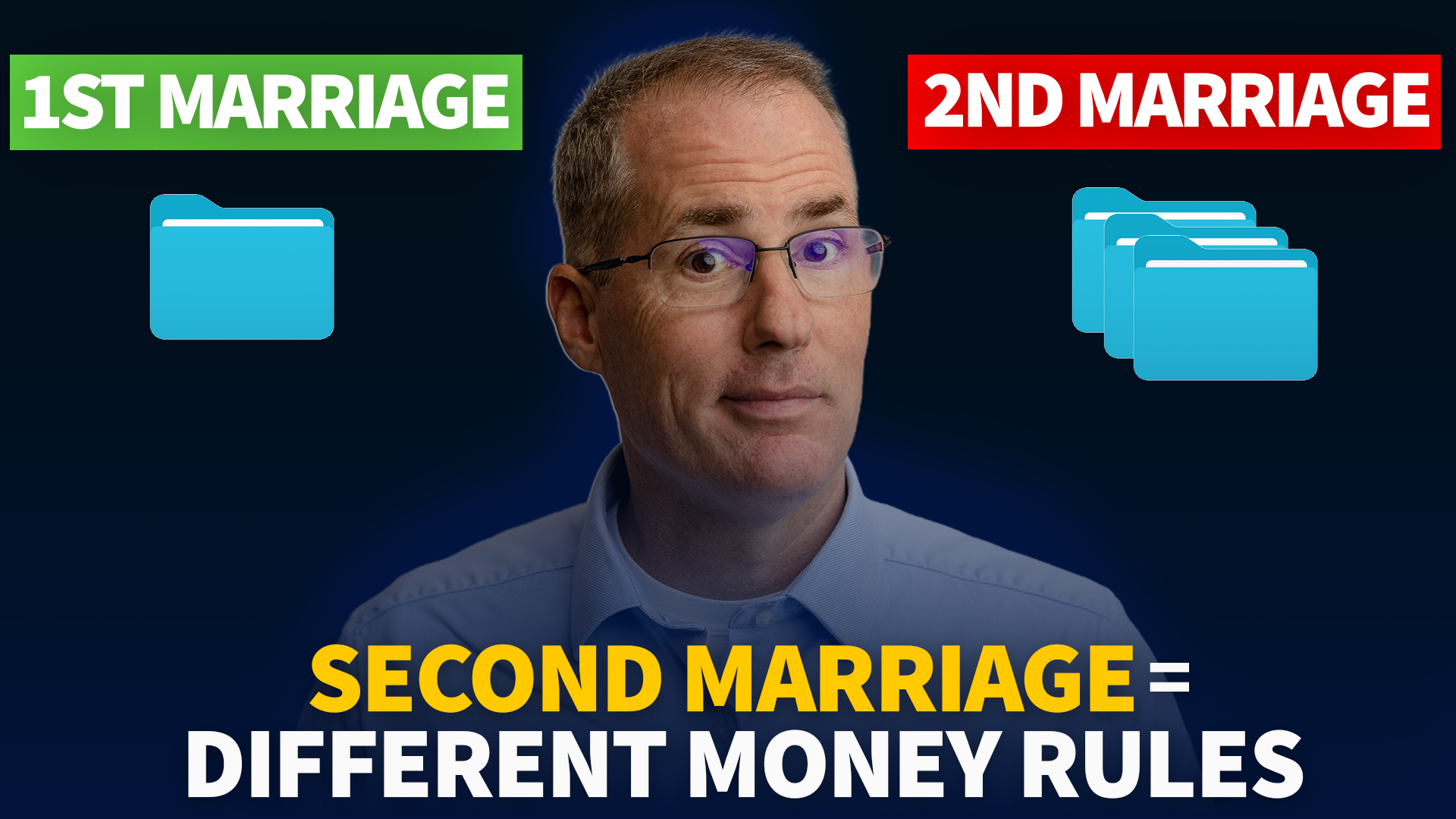
1. What makes second marriages financially different from first marriages?
In a first marriage, most assets are built together. Estate planning is often straightforward. Everything goes to the surviving spouse, and then to the kids.
In a second marriage, you’re often bringing in established assets, different spending patterns, and adult children from previous relationships. That introduces more financial complexity — and more places for unspoken expectations to clash.
This isn’t just about money. It’s about what people mean when they talk about fairness, support, protection, and legacy.
2. What financial topics should second-marriage couples discuss before combining households?
Start with cash flow. What income is coming in? What expenses exist separately or together? Do you plan to merge finances or keep some parts separate? Are either of you still supporting children or family members financially?
Next, talk about expectations. How do each of you view spending, saving, and giving? What will your lifestyle look like day to day, and what will retirement mean for both of you?
These conversations aren’t always easy — but skipping them can lead to resentment and confusion later. This is your chance to build shared clarity, even if not everything is combined.
3. How should second-marriage couples approach estate planning?
Estate planning in a second marriage isn’t just about writing a will — it’s about making sure that legal documents match your actual intentions.
Many couples assume they’ll “just split things evenly,” but the mechanics can get complicated quickly. Who inherits the house if one of you passes away first? What about IRAs or life insurance policies with prior beneficiaries still listed?
Work with an advisor and attorney to make sure trusts, powers of attorney, and beneficiary designations are aligned. And make sure you understand each other’s wishes before you sit down with professionals.
4. What are the financial risks of trying to “even things out” between families?
It’s natural to want to be fair to everyone, especially when adult children are involved. But when you try to equalize things financially, you risk creating complexity that doesn’t serve anyone well.
Sometimes it means making promises you can’t keep. Sometimes it means setting up plans that feel mathematically fair but emotionally tone-deaf.
Real fairness comes from communication, not just calculation. Be honest about what each person values and what each side of the family might need — even if it’s not a 50/50 split on paper.
5. What’s the biggest mistake second-marriage couples make with their money?
The biggest mistake is avoiding the conversation altogether.
Many couples delay combining or reviewing finances out of discomfort. Others assume their existing plans will somehow still apply. But money decisions made before this marriage — whether independently or with a previous spouse — won’t automatically fit your new life.
Being intentional now gives you more freedom later. It prevents misunderstandings, ensures both partners feel secure, and protects the people you love on both sides of the family.
Contact Information
Keith Demetriades, CFP®, CKA®, believes real wealth starts with real life. He created the 4D Client Experience to help guide decision-making and ensure your money works as a tool to support your life. If you’re ready for a financial plan that reflects how you live and what you’re building toward, contact Keith at (806) 223-1105 or visit Kingsview Partners.
Disclaimer
The information provided in this blog is for educational purposes only and should not be considered financial advice. Please consult a qualified financial advisor to discuss your specific situation and needs. Past performance does not indicate future results, and all investments carry risks, including potential loss of principal. Any financial product or strategy references are purely illustrative and should not be construed as endorsements or recommendations.
Investment advisory services are offered through Kingsview Wealth Management, LLC (“KWM”), a SEC Registered Investment Adviser. Insurance products and services are offered and sold through Kingsview Insurance Services, LLC (“KIS”), by individually licensed and appointed insurance agents. KWM and KIS are subsidiaries of Kingsview Partners.