In Your 50s With a Seven-Figure Portfolio? 5 Shifts You Need To Make NOW
Executive Summary
If you’re in your 50s with a seven-figure portfolio, the rules that helped you build wealth are not necessarily the rules that help protect it in retirement. Keith Demetriades explains why sequence-of-returns risk becomes more serious, why your tax strategy should evolve before your income changes, how concentrated positions can increase risk, why business exit planning needs a defined timeline, and more.
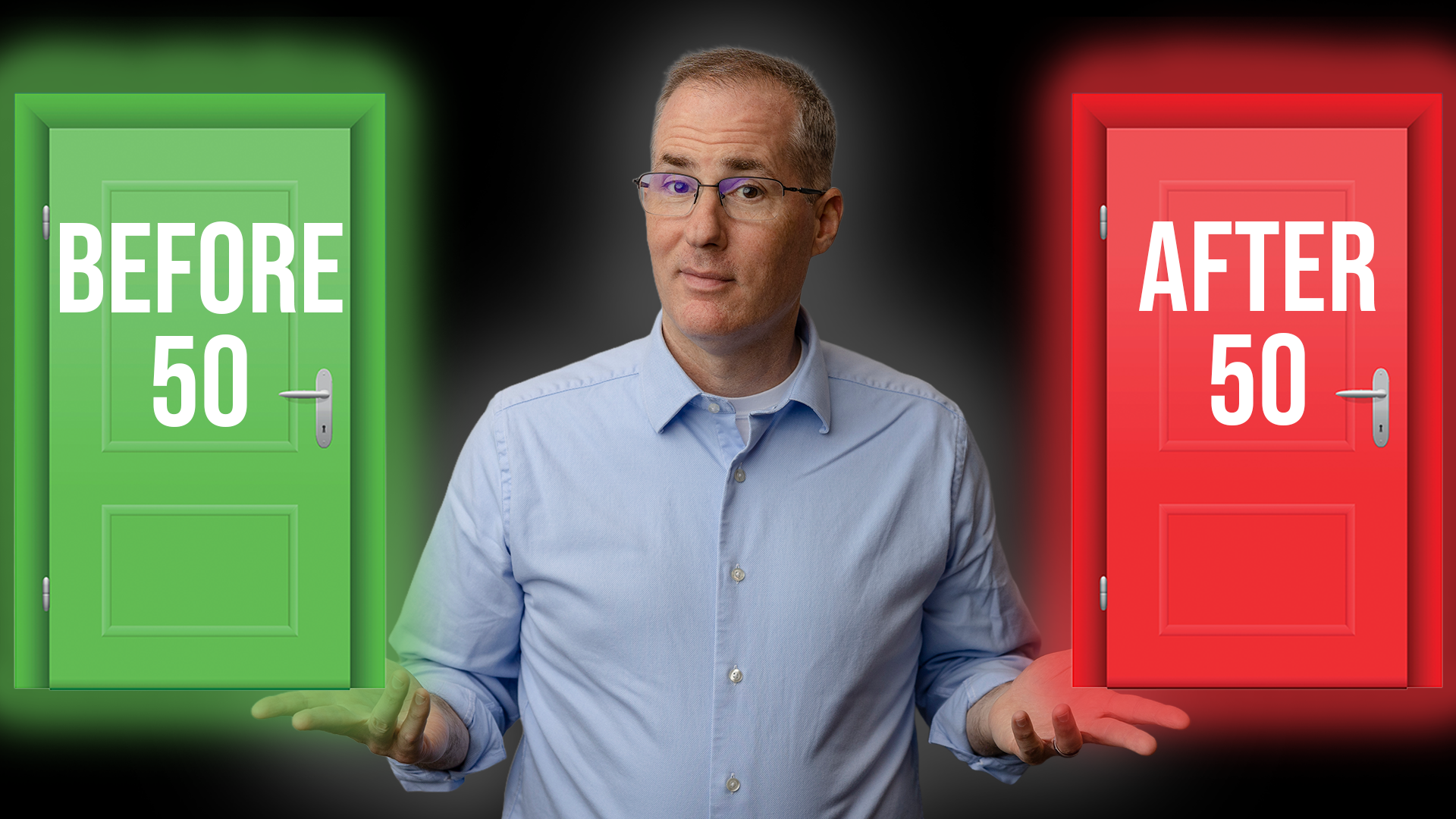
See an in-depth exploration of this topic here:
Discover an Efficient Way to Manage Market Risk: https://go.kingsview.com/learn
In Your 50s With a Seven-Figure Portfolio? 5 Shifts You Need To Make NOW
If you’re in your 50s with a seven-figure portfolio, you’ve done a lot right. The habits, discipline, and strategy that built your wealth matter. But this is the decade where the focus begins to change.
In your 30s and 40s, growth was the priority. Time was on your side. Market downturns were inconvenient but manageable because you were still contributing and still earning. In your 50s, the timeline tightens, the runway gets shorter, and decisions begin to carry more weight.
1. Why does sequence of returns risk become critical in your 50s?
You already know markets go up and down. You’ve lived through corrections and crashes before, and you probably recovered just fine.
But if a major downturn hits a few years before you plan to retire, you’re no longer looking at decades to recover. You’re looking at a recovery period that overlaps with when you need to begin withdrawals. A significant drop at 58 could mean delaying retirement or adjusting your withdrawal rate lower than you originally planned.
That’s sequence-of-returns risk in practical terms.
The adjustment is not to abandon equities. It’s to build margin. Holding two to three years of expected retirement expenses in cash or short-term bonds gives you flexibility. If markets decline, you draw from reserves rather than sell equities at depressed prices. That buffer buys time and reduces the likelihood that a bad year becomes a permanent setback.
2. Why should your tax strategy change before your income drops in retirement?
For many professionals, the 50s are peak earning years. High W-2 income, bonuses, equity compensation, partnership distributions; this is often the most financially productive stretch of your career.
That matters because these high-income years create planning opportunities that disappear once you retire.
When income drops in retirement, your tax bracket often drops as well. But you also lose access to strategies that require earned income. You cannot go back and maximize deferred compensation or certain contribution opportunities once that window closes.
High-bracket years also amplify the value of deductions. If you’re charitably inclined, bunching multiple years of giving into a peak-income year can produce a far greater tax benefit than spreading those gifts into retirement when your bracket may be lower.
The key is recognizing that this window will not stay open indefinitely.
3. How should you handle concentrated positions in your 50s?
Concentration risk feels different when you’re younger. Holding a large position in company stock or a long-held taxable investment can feel manageable when you have decades ahead of you.
In your 50s, the timeline compresses.
If you hold company stock inside a 401(k), there may be a strategy called Net Unrealized Appreciation (NUA) that could reduce taxes at distribution, but it requires deliberate coordination at the right time. Once that moment passes, the opportunity may not return.
If you’re heavily concentrated in a taxable account, waiting until retirement to diversify can increase risk during the years when a downturn could have a major impact on your plans. It can also prevent you from managing capital gains strategically over multiple years.
If equity compensation is part of your compensation package, vesting schedules and tax stacking need to be mapped against your retirement timeline. A shift of even a few months can change outcomes.
The common thread is clarity. Know what you own, understand the tax implications, and align those realities with your retirement date.
4. Why does estate planning shift from accumulation to distribution?
Earlier in your career, estate planning was largely about protection. In your 50s, the focus should shift toward distribution.
The SECURE Act changed how inherited retirement accounts are treated. Many non-spouse beneficiaries must now withdraw inherited IRA assets within ten years, which can push heirs into higher tax brackets during their peak earning years.
That reality changes the analysis.
Does your beneficiary structure still reflect your goals? Would Roth conversions today reduce the tax burden on your children later? Are there charitable strategies that allow you to see the impact of your giving while you’re alive rather than leaving everything as a bequest?
Estate planning at this stage becomes about coordination and intention.
5. Why does business exit planning need a timeline now?
If you own a business, it may represent a substantial portion of your net worth. In earlier years, exit planning often sat in the background while growth took priority.
But a business exit is often the single largest financial transaction of your life. The difference between a well-structured sale and a rushed one can be substantial, particularly when tax implications are involved. Asset sale versus stock sale, installment structures, earn-outs; these decisions benefit from years of preparation.
If succession involves family members or key employees, those transitions require time for leadership development and operational clarity. If a third-party sale is likely, the business may need restructuring to reduce key-person risk and strengthen financial reporting.
Rather than waiting until you are ready to leave, start building a roadmap now. Understand what the business is worth, what different exit paths would mean financially, and what steps need to happen in advance to maximize value and minimize friction when the transition occurs.
Remember, the rules that build wealth are not necessarily the rules that help protect it in retirement! You’re about to enter a different phase of life!
Real Wealth Starts With Real Life.
Contact Information
Keith Demetriades, CFP®, CKA®, believes real wealth starts with real life. He created the 4D Client Experience to help guide decision-making and ensure your money works as a tool to support your life. If you’re ready for a financial plan that reflects how you live and what you’re building toward, contact Keith at (806) 223-1105 or visit Kingsview Partners.
Disclaimer
The information provided in this blog is for educational purposes only and should not be considered financial advice. Please consult a qualified financial advisor to discuss your specific situation and needs. Past performance does not indicate future results, and all investments carry risks, including potential loss of principal. Any financial product or strategy references are purely illustrative and should not be construed as endorsements or recommendations.
Investment advisory services are offered through Kingsview Wealth Management, LLC (“KWM”), a SEC Registered Investment Adviser. Insurance products and services are offered and sold through Kingsview Insurance Services, LLC (“KIS”), by individually licensed and appointed insurance agents. KWM and KIS are subsidiaries of Kingsview Partners.