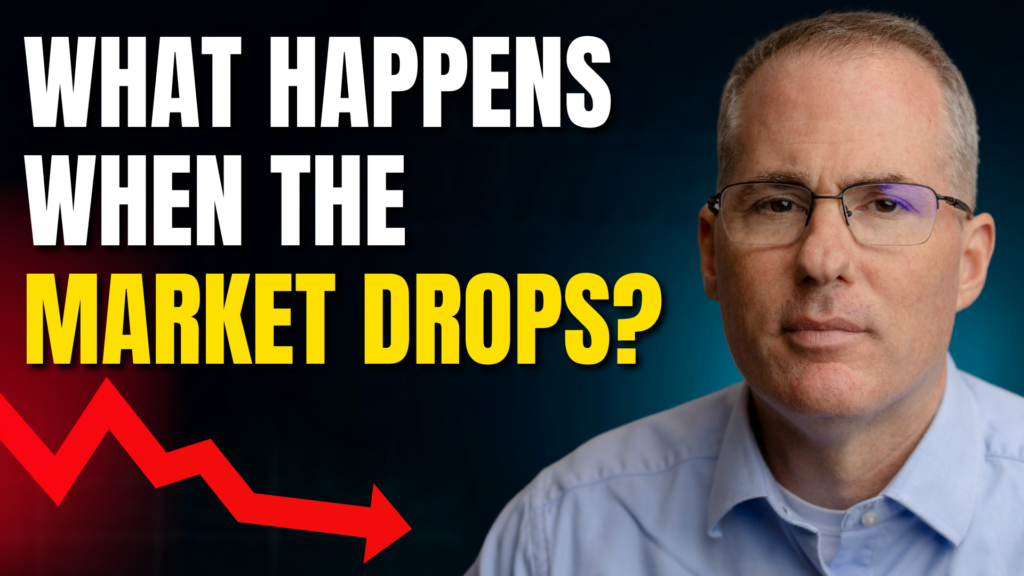
Why Preserving Capital Matters More Than Chasing Returns in Retirement
Executive Summary
During your working years, maximizing returns made sense. In retirement, the priority shifts. Keith Demetriades explains why the same market decline affects a retiree very differently than a working investor, how large losses become exponentially more expensive to recover from when withdrawals are happening, and why building a retirement portfolio that balances growth with capital preservation creates flexibility and resilience that pure growth strategies cannot.
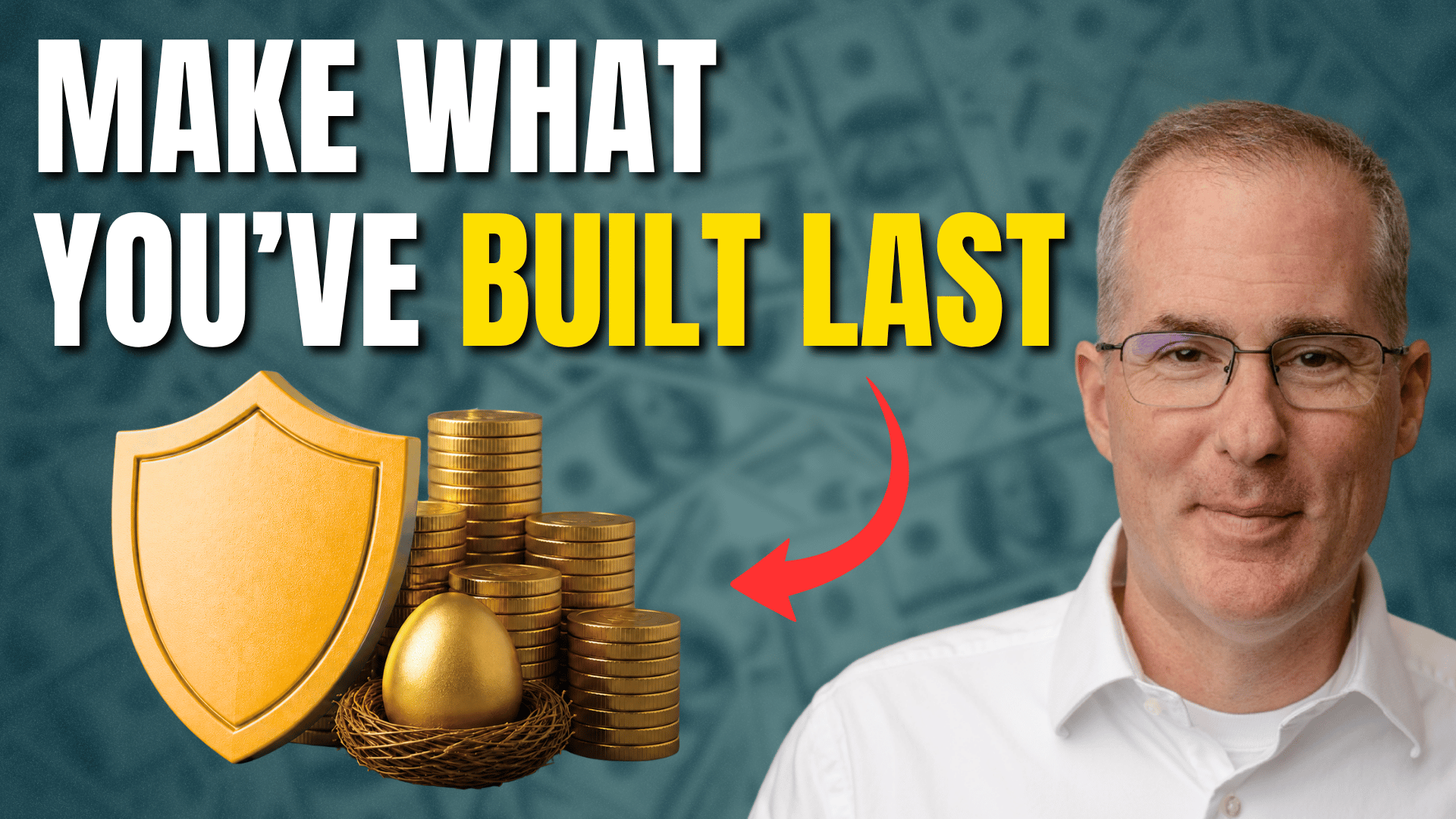
See an in-depth exploration of this topic here:
Discover a Smarter Way to Manage Market Risk: https://go.kingsview.com/learn
Why Preserving Capital Matters More Than Chasing Returns in Retirement
For decades, you’ve asked one question: how can I earn a higher return?
During your working years, that’s usually the right question. You’re adding money every month. Your paycheck replaces what the market takes away. Time is on your side.
But retirement changes the question completely. The paycheck stops. A major loss doesn’t just reduce your portfolio—it reduces the foundation that every future dollar has to grow from.
1. Why does retirement change how you should think about investment risk?
Two investors both experience a thirty percent market decline. On paper, the loss is identical. But one is still working and contributing to their portfolio, buying shares at lower prices. The other is retired and withdrawing money every month to pay bills, selling shares at depressed prices.
Same decline. Completely different consequences. Retirement doesn’t just change your lifestyle—it changes what investment losses actually mean.
2. What’s the actual cost of a major loss during retirement withdrawals?
A thirty percent loss requires more than forty percent growth to recover. A fifty percent loss requires doubling your money. Now add retirement withdrawals to that equation: instead of allowing every dollar to participate in recovery, some dollars are leaving the portfolio monthly.
The deeper the loss, the harder recovery becomes. And when withdrawals are simultaneous, large losses become significantly more expensive than during your working years.
3. Why does every dollar you preserve compound differently than dollars you’ve lost?
When you avoid a major drawdown, you’re not just protecting current capital—you’re preserving the compounding power of that money for the rest of retirement. A portfolio that avoids deep losses spends more time compounding. Your withdrawals place less pressure on the portfolio. Your retirement plan has more room to adapt as life changes.
4. How do you pursue growth without taking unnecessary preservation risks?
This isn’t an either-or choice. You still need investments that can help your portfolio grow to offset inflation over thirty years. But that growth has to be pursued within a framework designed for someone who’s already won the accumulation game.
Instead of asking “how much risk can I tolerate?” ask “how much loss can my retirement income actually absorb without changing my lifestyle?”
5. What does preserving capital actually mean in practice?
It means building a portfolio where different parts have different jobs. Some portions pursuing long-term appreciation. Others providing stability during volatility. Others supporting income needs so you’re not forced to sell during downturns.
It’s not about eliminating every market decline. It’s about maintaining flexibility and resilience through different market environments.
Real Wealth Starts With Real Life.
Contact Information
Keith Demetriades, CFP®, CKA®, believes real wealth starts with real life. He created the 4D Client Experience to help guide decision-making and ensure your money works as a tool to support your life. If you’re ready for a financial plan that reflects how you live and what you’re building toward, contact Keith at (806) 223-1105 or visit Kingsview Partners.
Disclaimer
The information provided in this blog is for educational purposes only and should not be considered financial advice. Please consult a qualified financial advisor to discuss your specific situation and needs. Past performance does not indicate future results, and all investments carry risks, including potential loss of principal. Any financial product or strategy references are purely illustrative and should not be construed as endorsements or recommendations.
Investment advisory services are offered through Kingsview Wealth Management, LLC (“KWM”), a SEC Registered Investment Adviser. Insurance products and services are offered and sold through Kingsview Insurance Services, LLC (“KIS”), by individually licensed and appointed insurance agents. KWM and KIS are subsidiaries of Kingsview Partners.