3 Retirement Moves You Should Make in Your 50s, Not Your 60s
Executive Summary
After years of advising clients, Keith Demetriades says many of the decisions people assume they can handle in their 60s really belong in their 50s. This decade offers more control, more flexibility, and more opportunity to shape the retirement you want. Understanding what to address now can help prevent costly mistakes later.
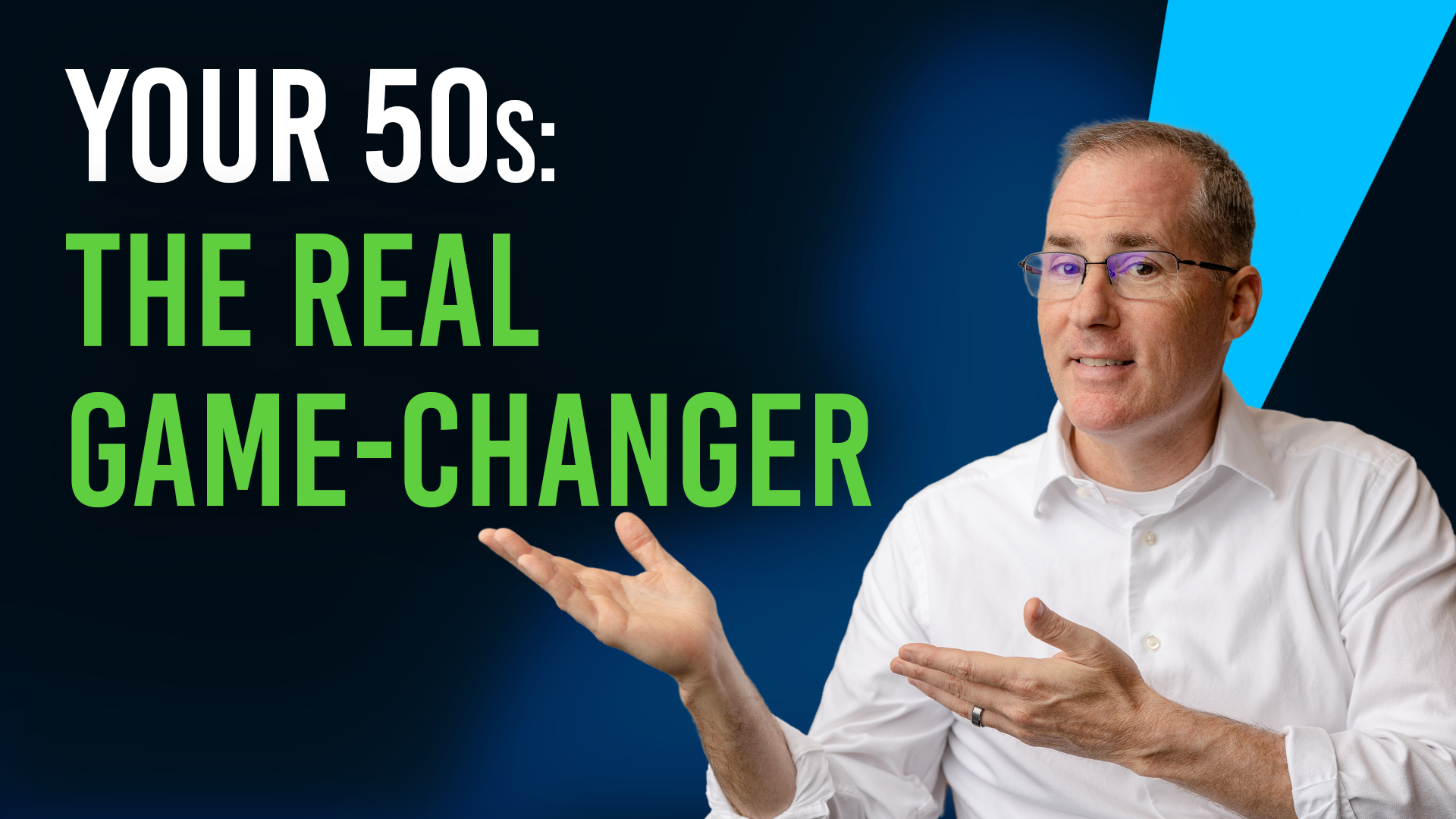
See an in-depth exploration of this topic here: https://www.youtube.com/watch?v=tkgugrGSRJA
Take the “How Much Do I Need to Retire?” quiz here:
https://securequiz.kingsview.com/keith-real-wealth-quiz-youtube#q1
Want to make sure your money lines up with your life?
FREE Designing the Retirement You Want Guide
3 Retirement Moves You Should Make in Your 50s, Not Your 60s
Your 50s are one of the busiest times of life because you’re handling life from every angle. You’re working, navigating your strongest earning years, helping kids launch their lives, and often supporting aging parents. It’s a lot for anyone to manage. And because you’re so busy, retirement can feel far away. But it isn’t.
If you wait until your 60s to make every major retirement decision, you may miss some of your best opportunities to shape the future you want.
1. Why are your 50s such an important decade for retirement planning?
Most people assume retirement planning becomes real in their 60s. But your 50s actually offer more flexibility. This is the decade where you still have income, time, and options to make meaningful changes. You can adjust how much you’re saving and where you’re saving it—pre-tax, Roth, or taxable—while you’re still building wealth, not drawing it down.
You also have room to test your spending, rebalance investments, and shift gears while your income gives you the margin to try things out. Choices are still entirely in your control in your 50s. That flexibility starts to shrink once you reach your 60s.
2. What mistakes do people often make in their 50s that affect retirement?
The first mistake is letting accounts accumulate without ever looking at how they work together. Over the years, you might have picked up a 401(k) from one job, an IRA from another, and maybe a brokerage account along the way. By your 50s, you can finally see the whole picture.
This is the time to rebalance where your dollars live. Maybe you’re too heavy in pre-tax savings and too light on after-tax flexibility. Maybe investments are scattered across old plans. In your 60s, small shifts in these accounts start affecting taxes, Social Security, and insurance premiums. The same moves look very different later in life.
3. Why does debt become a bigger issue the closer you get to retirement?
Many people carry debt longer than they need to simply because the paycheck makes it feel manageable. But payments follow you into retirement unless you eliminate them first.
You may not be able to clear everything before you retire, but tackling high-interest or short-term debt in your 50s gives you more control once your income changes.
Fewer bills chasing you into retirement means more margin, more calm, and more flexibility.
4. How can you test your income plan while you’re still earning?
One of the best strategies is a three-month “practice retirement.” Live on your projected retirement income and track everything. A single month won’t show much, but a full quarter reveals real patterns—insurance renewals, travel, property taxes, medical bills, and quarterly tax payments.
This exercise shows whether your plan is realistic or whether it needs adjustments.
The best part? If something isn’t working, you still have a paycheck and the flexibility to fix it before retirement becomes real.
5. Why should your retirement accounts work together instead of separately?
If you’ve changed jobs over the years, chances are you have old accounts sitting untouched. Your 50s are the time to bring them back into view, combine where appropriate, and review how they’re invested. When accounts work together, you can see your risk levels, how concentrated your holdings are, and how each piece fits into the bigger picture.
Most people have a mix of pre-tax, Roth, and taxable savings without realizing how that balance shapes retirement income. The more variety you have, the more flexibility you’ll have when it’s time to draw from those accounts.
Real wealth starts with real life. Don’t just plan the numbers. Plan the life.
Contact Information
Keith Demetriades, CFP®, CKA®
Kingsview Partners — Pampa, Texas
(806) 223-1105
www.kingsview.com/advisor/keith-demetriades/
Keith believes real wealth starts with real life. He created the 4D Client Experience to help guide decision-making and ensure your money works as a tool to support your life. If you’re ready for a financial plan that reflects how you live and what you’re building toward, contact Keith at the number above or visit Kingsview Partners.
Disclaimer
The information provided in this blog is for educational purposes only and should not be considered financial advice. Please consult a qualified financial advisor to discuss your specific situation and needs. Past performance does not indicate future results, and all investments carry risks, including potential loss of principal. Any financial product or strategy references are purely illustrative and should not be construed as endorsements or recommendations.
Investment advisory services offered through Kingsview Wealth Management, LLC (“KWM”), an SEC Registered Investment Adviser. Insurance products and services are offered and sold through Kingsview Trust and Insurance Services (“KTI”), by individually licensed and appointed insurance agents. KWM and KTI are subsidiaries of Kingsview Partners. KWM is an investment adviser registered with the Securities and Exchange Commission (“SEC”).