The Happiest Retirees ALL Do These 7 Things
Executive Summary
Great retirements don’t just happen. The happiest retirees create them by developing habits that keep them engaged, healthy, and connected. Money provides the foundation — it covers the basics and removes financial stress — but happiness in retirement comes from more than just having enough saved. It’s what you do with your time, relationships, and energy that makes life feel full. From creating structure to staying curious, there are seven habits that consistently separate retirees who thrive from those who feel restless or bored.
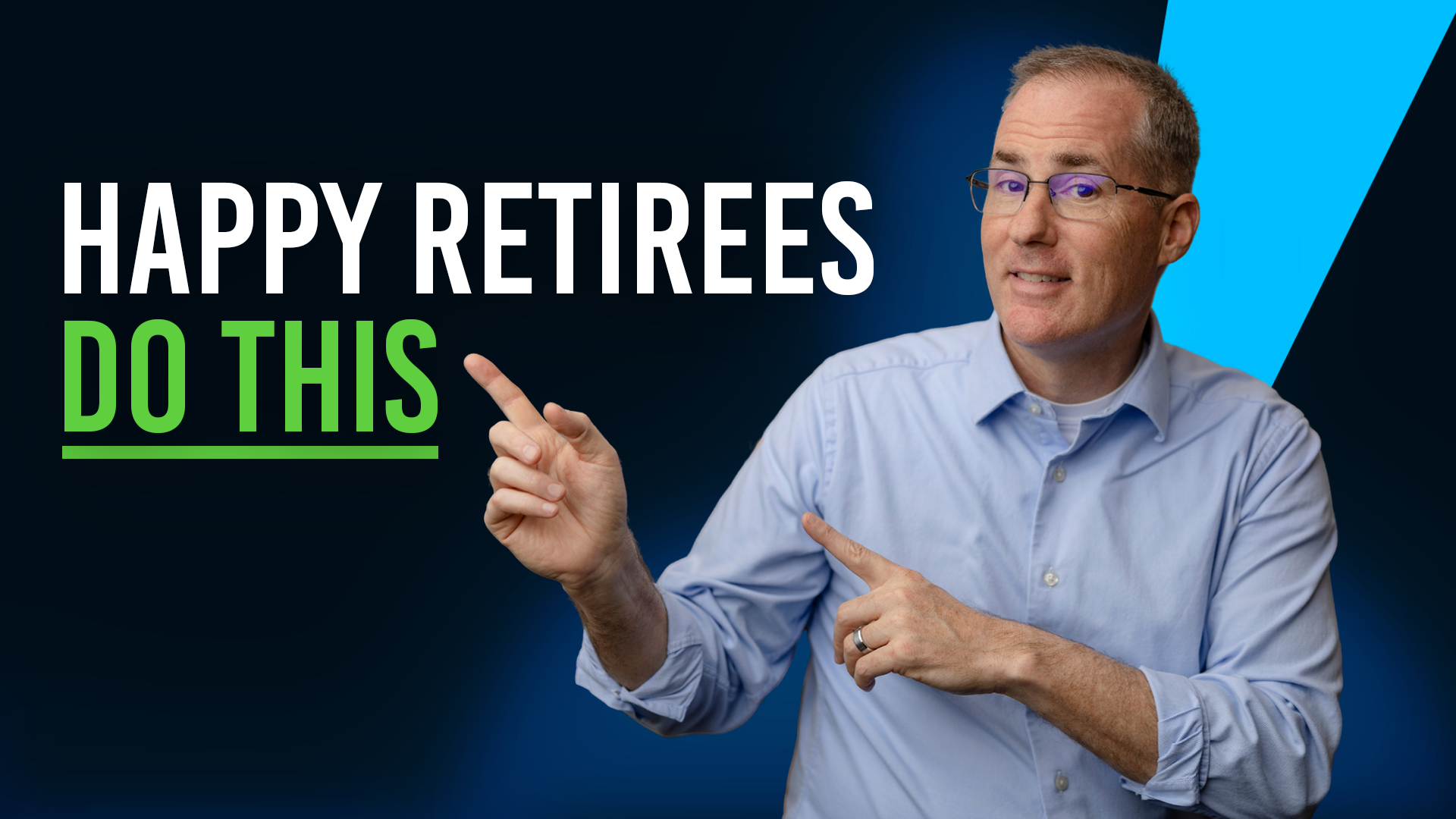
Want to see these strategies in action? Watch the full video here: https://www.youtube.com/watch?v=30yNgTZA2lw
Want to make sure your money lines up with your life? Grab two free resources:
- Designing the Retirement You Want Guide: https://www.kingsview.com/the-real-wealth-library-unlock/
- How Much Do I Need to Retire? Quiz: https://securequiz.kingsview.com/keith-real-wealth-quiz-youtube#q1
The Happiest Retirees ALL Do These 7 Things
One of my clients once told me he thought he had made a mistake retiring — six months in, he was bored and restless. It was something I’d heard before, so I shared some advice I’d heard through countless conversations with retirees.
Fast forward two years, and he described retirement as the best time of his life.
His financial picture hadn’t changed, so what was different?
It was the everyday habits he built.
What are the habits of the happiest retirees?
The happiest retirees share seven key habits: they create rhythm and structure, set boundaries, prioritize health, give back, delegate, build strong connections, and keep growing. These habits matter because they shape daily life, keeping retirement active, purposeful, and connected instead of aimless or isolating.
How do retirees stay busy and avoid boredom?
Retirees who thrive don’t treat retirement as an endless weekend. They build rhythm into their days and weeks. That might mean volunteering, taking classes, scheduling weekly social time, or setting aside hours for hobbies. Having regular activities prevents boredom and keeps life feeling meaningful.
What’s the best way to set boundaries in retirement?
The best way to set boundaries in retirement is to be intentional about how you commit your time. Start by identifying what matters most — family, health, friendships, or hobbies — and protect space for those first. Then, limit or decline activities that pull you away from those priorities. That might mean reducing volunteer hours, stepping back from roles that no longer fit, or politely saying no to social obligations that leave you drained. Clear priorities make it easier to draw the line and keep retirement focused on what’s meaningful to you.
What is the connection between health and happiness in retirement?
Health and happiness in retirement are closely tied because well-being shapes what you’re able to do and enjoy. Physical health provides the energy and mobility for travel, hobbies, and time with family. Mental health supports focus, memory, and a positive outlook. Emotional health — reduced stress, strong relationships, and peace of mind — makes each day more fulfilling. When retirees make steady investments in all three areas, they preserve the freedom to live the kind of retirement they’ve imagined.
What role does volunteering play in retirement happiness?
Volunteering gives retirees purpose and connection. It replaces some of the structure that work once provided while opening the door to new relationships. Contributing time and skills, whether through mentoring, community projects, or local organizations, creates a sense of usefulness and belonging. That feeling of making a difference is one of the strongest drivers of happiness in retirement.
Should retirees delegate tasks to reduce stress?
Yes. The happiest retirees don’t try to do everything themselves. They outsource what drains them, like heavy yardwork, home maintenance, or even investment management, so they can focus on what they enjoy. Delegating frees up time and lowers stress, creating space for family, hobbies, and meaningful activities.
How can retirees avoid loneliness and build strong connections?
Loneliness is one of the biggest threats to retirement happiness. Retirees who stay connected invest intentionally in relationships. They make time for family, nurture old friendships, and build new ones through clubs, classes, or volunteer work. Having people to share experiences with is one of the strongest predictors of satisfaction in retirement.
Why does growth and learning matter in retirement?
Growth keeps retirement from becoming stagnant. The happiest retirees keep learning, whether it’s exploring new places, trying creative pursuits, or picking up new skills. Curiosity and growth give life momentum and make each stage of retirement feel fresh and rewarding. Retirement happiness doesn’t come from money alone. It’s essential to be financially secure, but the habits you practice every day – in your real life – have just as much impact on whether retirement feels full and meaningful.
Real wealth starts with real life. Don’t just plan the numbers. Plan the life.
Contact Information
Keith Demetriades, CFP®, CKA®, believes real wealth starts with real life. He created the 4D Client Experience to help guide decision-making and ensure your money works as a tool to support your life. If you’re ready for a financial plan that reflects how you live and what you’re building toward, contact Keith at (806) 223-1105 or visit Kingsview Partners.
Disclaimer: The information provided in this blog is for educational purposes only and should not be considered financial advice. Please consult a qualified financial advisor to discuss your specific situation and needs. Past performance does not indicate future results, and all investments carry risks, including potential loss of principal. Any financial product or strategy references are purely illustrative and should not be construed as endorsements or recommendations.